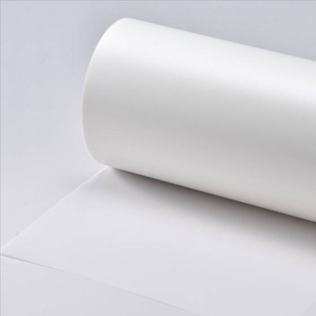
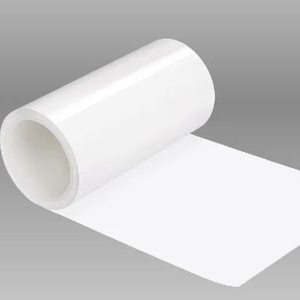
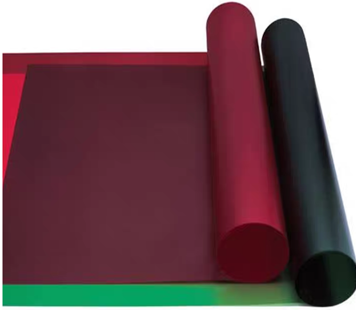
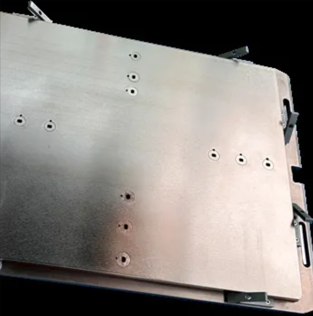
Resin overflow (also known as Resin Flash or Squeeze-out) is a common challenge in PCB lamination that can contaminate steel plates and lead to wasted materials. High-quality Release Films prevent this through three primary mechanisms:
Premium release films feature extremely low surface energy (often achieved via fluorin-based or specialized non-silicone coatings). When the epoxy resin melts into a liquid state under heat, the low surface energy prevents the resin from "creeping" or wetting the film surface, effectively confining it to the intended areas.
Stability is key. High-quality films (such as TPX or heat-stabilized PET) exhibit minimal thermal shrinkage at high temperatures. If a film shrinks significantly when heated, it pulls the resin outward; conversely, a stable film maintains a physical barrier that "locks" the resin in place.
During the pressing stage, the release film slightly conforms to the edges of the Coverlay or Prepreg. This micro-level embedding creates a "sealing ring" effect, physically blocking molten resin from surging out through the gaps between circuit traces.
Matte vs. Glossy: Matte release films, with their micro-textured surface, often perform better than glossy films at managing minor resin squeeze-out.
Controlled Peel Strength: To avoid damaging delicate traces during stripping, select a film with a peel strength typically between $3 - 10\text{g/in}$.
I recommend placing the English versions on your main product pages and the Chinese versions on a dedicated "Technical Blog" or "Customer Support" section to capture local search traffic.
Would you like me to generate a set of professional product images or a technical diagram to accompany these articles?